

THE HEART OF TAMIL TRADITION:EXPERIENCING JALLIKATTU IN MADURAI

0
Table of Contents
Tamil Nadu is known for its ancient temples and eclectic food culture. But the state has much more to offer. If you want to understand its people and traditions better, Jallikattu is a good place to start. Celebrated across southern Tamil Nadu during the Pongal harvest festival, the sport reaches its most vibrant and spectacular expression in the Madurai district, where it unfolds with exceptional pomp and show.
Every year, villages across the Madurai district come together for the event. Alanganallur, Palamedu, and Avaniyapuram become the main centres of action. Experiencing Jallikattu in Madurai is a must-do activity to discover the heart of Tamil Nadu.
History and Origin of Jallikattu
Jallikattu has very old roots. It dates to around 400 BCE and was first practised by the Ayar communities who lived in the Mullai forest region. In the beginning, it was a simple way to show strength and bravery. Over time, it turned into a public event where courage and skill were openly tested, and young men earned respect and recognition through their performance.
Signs of this legendary past can still be seen near Madurai. A cave painting, believed to be about 1,500 years old, shows a man trying to control a bull. The bulls used in Jallikattu are native Zebu breeds. Local families raise them with care, especially for the event. Unlike bullfighting in some other countries, the aim here is to tame the bull without harming it.
Today, Jallikattu is held in different forms across Tamil Nadu, each with its own traditions and rules, making it one of the most well-known Tamil Nadu traditional festivals.
What Happens at the Jallikattu Festival?
Jallikattu is held on the third day of Pongal. This day is dedicated to celebrating a successful harvest and offering thanks to the Sun God, making the presence of bulls deeply symbolic. For farming families, bulls are seen as companions in cultivation. During Pongal, they are thus honoured and revered as part of the household.
Open grounds in villages become the centre of attention for Jallikattu in Madurai. By early morning, spectators from neighbouring areas gather in large numbers, creating an electrifying atmosphere. The event begins at Vadivasal, a narrow entrance where bulls are released one at a time. As each bull bursts forth into the arena, trained participants wait outside, ready to make their move.
Jallikattu also takes on different forms across different regions. For example,
- Vadi Manjuvirattu: Bulls are released through the Vadivasal, with participants attempting to cling to the hump.
- Veli Manjuvirattu: Bulls enter the ground openly, popular in Madurai and Sivagangai villages.
- Vatam Virattu: Bulls are tethered with a long rope, and teams attempt to grab the prize tied to the horns.
Other Attractions to See in Madurai
If you’re in Madurai for Jallikattu, you can use this opportunity to explore the city’s glorious history and rich architecture. Beyond this famous Tamil Nadu traditional festival, Madurai offers a host of places to see and things to do.
1.Meenakshi Amman Temple

Located in the centre of the city, the Meenakshi Amman Temple is one of Madurai’s most revered sites. It is dedicated to Lord Sundareswarar and Goddess Meenakshi and is known for its lofty gopurams, exquisite carvings, and vibrant sculptures. Built during the Pandyan period, the temple has a calm and spiritual atmosphere.
Timings: 5:00 am - 12:30 pm and 4:00 pm - 10:00 pm
Entry: Free
2. Samanar Hills
Located a short drive from the city, Samanar Hills offers a quieter escape. It is a protected monument with ancient rock inscriptions and caves and was once inhabited by Jain monks. Besides its historical significance, the hill provides serene views and a calm, scenic atmosphere.
Timings: 6:00 am - 8:00 am and 4:00 pm - 6:00 pm
Entry: Free
3. Gandhi Memorial Museum
This museum is located in a former palace of the Nayak dynasty. It offers a closer look at the life of Mahatma Gandhi. Inside, you’ll find photographs, letters, and personal artefacts spread across expansive grounds.
Timings: 10:00 am - 1:00 pm and 2:00 pm - 5:45 pm
Entry: Free
4. Pudhu Mandapam
Built as a ceremonial hall connected to the Meenakshi Temple, Pudhu Mandapam blends history with daily life. Its elegant pillars and lively shops make it both architecturally engaging and culturally attractive.
Timings: Open all day
Entry: Free
5. Saint Mary's Cathedral
Also known as the Church of Our Lady of Dolours, this cathedral is known for its tall towers and mix of European and Roman architectural styles. Its peaceful ambience and stunning architecture add to Madurai’s scintillating cultural landscape.
Timings: 6:00 am - 8:00 pm
Entry: Free
Elevate Your Trip to Madurai with Gateway Madurai
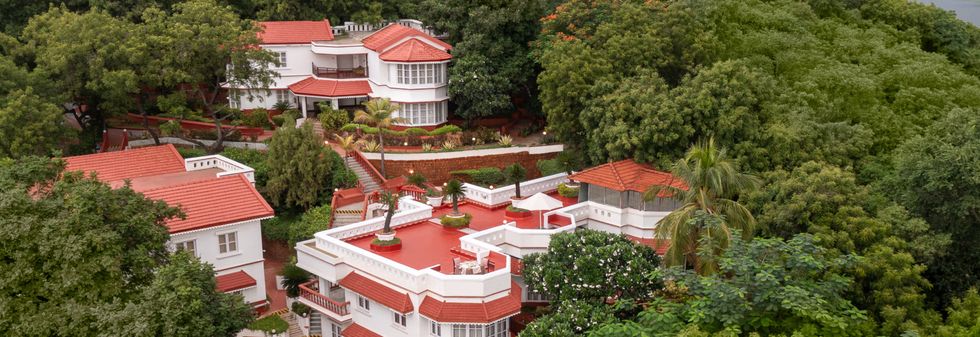
After enjoying the high-energy game of Jallikattu and exploring the city’s historic landmarks, a comfortable stay makes all the difference. Gateway Madurai, located on Pasumalai Hill, offers a peaceful retreat that blends heritage with modern amenities.
Set across 62 acres of green gardens, the property is tranquil and spacious, with walking paths, large banyan trees, and resident peacocks that add to its relaxed atmosphere. One of the finest luxury hotels in Madurai, Gateway Madurai's tastefully designed rooms offer unparalleled comfort after a long day of sightseeing.
Dining at the hotel is an experience in itself. Guests can savour sumptuous food at:
- Vista, the all-day restaurant serving local Tamil flavours alongside global favourites
- Moon Deck, featuring an alfresco setting designed for intimate, romantic evenings
- Harvey’s Lounge, the convivial bar for enjoying classic beverages
- Beneath the Canopy, where gourmet meals are served under a 150-year-old banyan tree
With a swimming pool, spa, fitness centre, and a professional concierge team, this Gateway Hotels property guarantees every aspect of your trip is handled with care.
Gateway Hotels
Explore unforgettable journeys with Gateway Hotels, your per...
ARTICLE TAGS
COMMENTS
Member? Login here to comment
FREQUENTLY ASKED QUESTIONS
1. Where does Jallikattu happen in Madurai?

2. Where is the best place to see Jallikattu?
3. Which day is Jallikattu celebrated?

OUR BRANDS: