


Best Time to Visit Aurangabad: Weather & Travel Tips

0
Table of Contents
Aurangabad, now officially known as Chhatrapati Sambhaji Nagar, is a destination where history, architecture, and culture come together in remarkable ways. From the magnificent Ajanta Caves to the breathtaking carvings of Ellora Caves, the city offers experiences that stay with you long after your trip ends. Yet timing your visit well can make a significant difference to how comfortably you explore these sites.
If you are planning your itinerary and wondering about the best time to visit Aurangabad, understanding the city’s seasonal weather patterns can help you choose the perfect window for your journey. This Aurangabad travel guide walks you through each season and shares practical travel tips to help you enjoy the city at its best.
Understanding Aurangabad's Climate
Aurangabad sits on the Deccan Plateau, which gives it a semi-arid character. Summers are long and fierce, the monsoon is moderate by Indian standards, and winters are pleasantly mild.
Temperatures swing from around 10°C on January nights to over 43°C during the peak of summer in May. Annual rainfall averages between 700 and 860 mm, falling mostly between July and September.
The city has three distinct seasons, each offering a different experience of Aurangabad, and the right one for you depends on what you are hoping to find there.
Winter in Aurangabad
October to February
Winter is widely considered the best time to visit Aurangabad. During these months, the weather becomes pleasantly cool, creating ideal conditions for sightseeing and day trips.
Daytime temperatures usually range between 12°C and 28°C. The air feels comfortable, and the clear skies make outdoor exploration enjoyable. This is especially helpful when visiting large historical sites where you may spend several hours walking through caves and temple complexes.
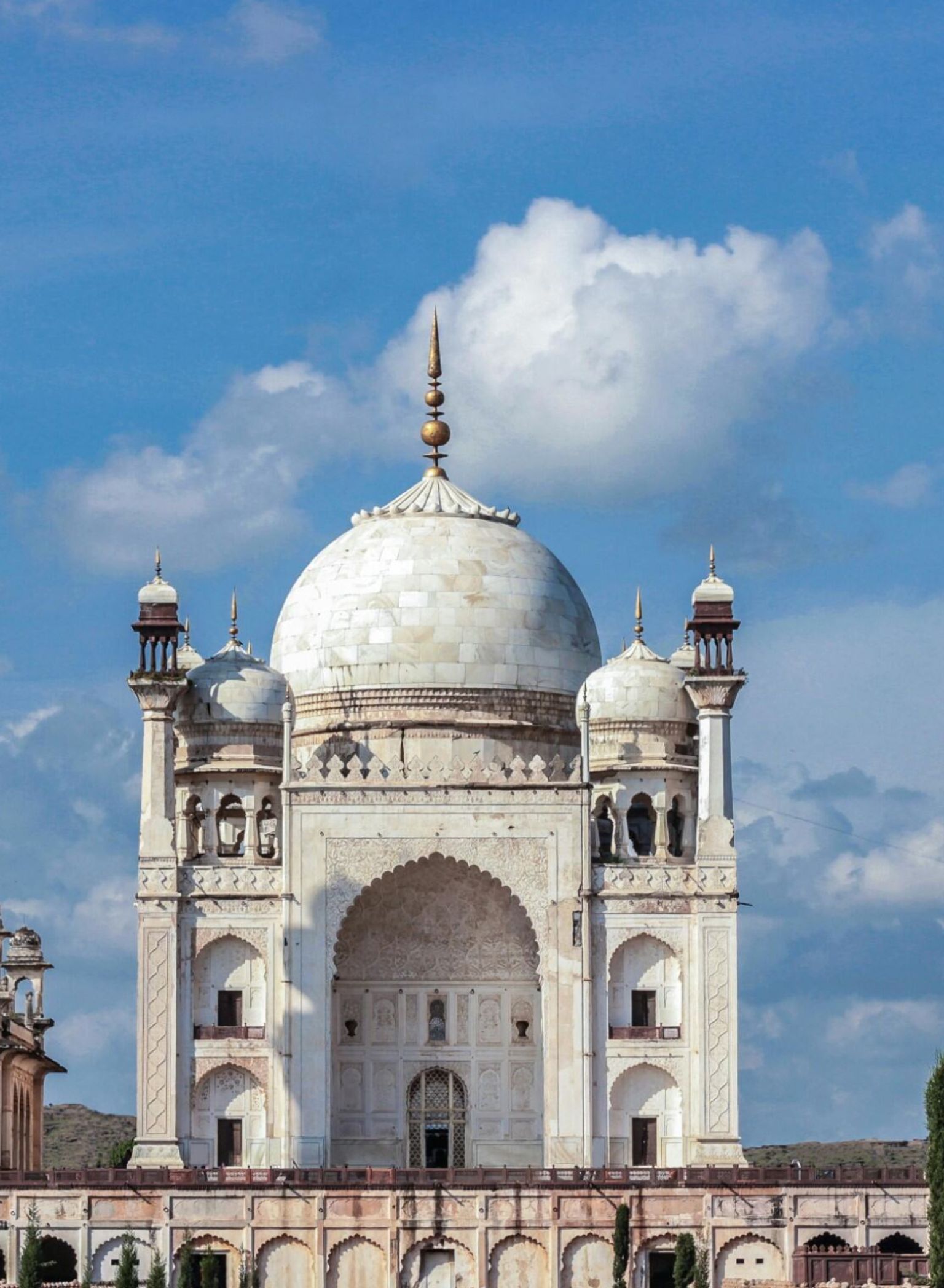
Winter is the perfect season to explore attractions such as Bibi Ka Maqbara, often called the “Taj of the Deccan,” along with the ancient sculptures of Ajanta and Ellora.
Because this period attracts many travellers, the city sees a rise in tourism activity. Booking early at hotels in Aurangabad ensures you have comfortable accommodation
during the peak season. Many travellers looking for luxury hotels in Aurangabad prefer properties that combine heritage charm with modern comfort.
A stay at Gateway Aurangabad, part of Gateway Hotels, offers a relaxing retreat after long days of exploring historical sites.
Summer in Aurangabad
March to June
Summers in Aurangabad can be quite intense. Temperatures often rise above 35°C and occasionally touch 40°C during the peak months of April and May.
The heat can make daytime sightseeing tiring, particularly when visiting outdoor heritage sites that involve extensive walking. However, early morning visits to the caves or monuments can still be manageable if you plan your schedule carefully.
Travelling during this season does have a few advantages. Tourist crowds are thinner, which means popular attractions feel quieter and more relaxed. Hotel rates are also often more competitive, making it easier to find good deals at hotels in Aurangabad.
If you choose to travel in summer, plan indoor breaks, stay hydrated, and prioritise early morning excursions.
Monsoon in Aurangabad
Monsoon in Aurangabad
The monsoon season transforms Aurangabad and its surroundings into a lush landscape. Rainfall usually arrives in July and continues through September, bringing cooler temperatures and greener scenery.
The hills around the Ajanta and Ellora caves appear particularly beautiful during this period. Waterfalls and streams become more visible, adding a scenic element to your travel experience.
Temperatures typically range between 22°C and 30°C, which is significantly more comfortable than summer. However, occasional heavy showers can disrupt travel plans, so flexibility in your itinerary is important.If you enjoy atmospheric landscapes and fewer crowds, the monsoon season can be a rewarding time to visit. Just remember to carry rain gear and allow extra travel time between attractions.
Festivals and Cultural Experiences
Another factor that influences the best time to visit Aurangabad is the city’s cultural calendar. Several festivals bring an added layer of vibrancy to the destination.
The Ellora Ajanta International Festival is one of the highlights. Held near the historic caves, the event features classical music and dance performances set against a stunning historical backdrop.
Experiencing this festival allows you to see Aurangabad not only as a heritage destination but also as a lively cultural hub.
Travel Tips for Visiting Aurangabad
Planning your trip thoughtfully ensures you enjoy the city’s heritage sites comfortably.
- Start Early for Sightseeing Major attractions such as Ajanta and Ellora involve extensive walking and exploration. Starting early in the morning helps you avoid crowds and heat.
- Allocate Enough Time Both cave complexes are large and deserve several hours of exploration. Many travellers dedicate separate days to each site.
- Dress Comfortably Light clothing, comfortable footwear, and sun protection are essential, particularly when visiting during warmer months.
- Stay Close to the Attractions Choosing well-located hotels in Aurangabad helps you minimise travel time and maximise sightseeing opportunities.
Where to Stay During Your Visit
After long days exploring ancient caves and historical landmarks, returning to a comfortable stay makes a big difference to your overall travel experience.

Among the luxury hotels in Aurangabad, Gateway Aurangabad stands out for its peaceful setting and warm hospitality. Part of the trusted Gateway Hotels collection, the property offers spacious gardens, elegant rooms, and a calm atmosphere that contrasts beautifully with the city’s bustling historical sites.
Its location also allows convenient access to major attractions, making it a practical base for travellers exploring the region.
Planning the Perfect Aurangabad Trip
Every season in Aurangabad offers a slightly different experience. Winter brings the most comfortable weather for sightseeing, monsoon reveals dramatic landscapes, and summer provides quieter travel opportunities for those who plan carefully.
If your goal is relaxed exploration of the caves, monuments, and cultural sites, winter remains the best time to visit Aurangabad. With cooler temperatures and clear skies, you can enjoy the region’s extraordinary heritage at a comfortable pace.
This Aurangabad travel guide should help you choose the right time to plan your journey. Pair your visit with a stay at welcoming properties such as Gateway Aurangabad, and you will have the perfect balance of discovery, comfort, and memorable experiences.
Gateway Hotels
Explore unforgettable journeys with Gateway Hotels, your per...
ARTICLE TAGS
COMMENTS
Member? Login here to comment

OUR BRANDS: