

SHOPPING IN CHIKMAGALUR: WHAT TO BUY DURINGYOUR GATEWAY STAY

0
Table of Contents
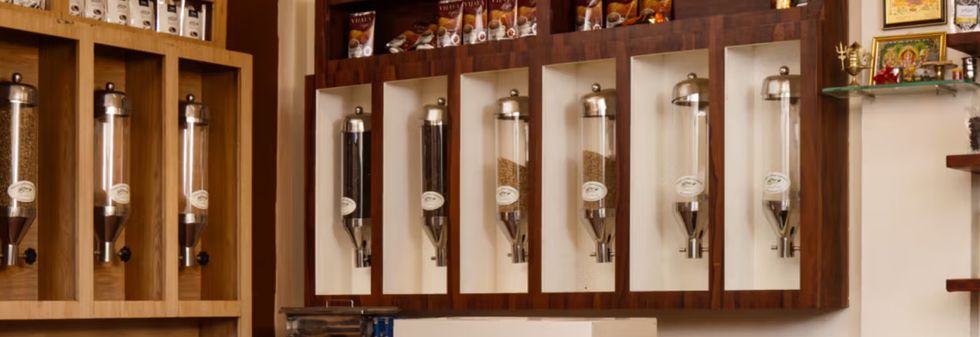
The first thing you notice in a Chikmagalur shop isn't what sits on the shelves. It's the scent. Coffee mingles with sandalwood and cardamom, creating an olfactory map of everything this hill station grows, crafts, and cherishes.
Shopping in Chikmagalur becomes less about buying and more about connection. Each purchase carries the story of hands that grew, harvested, carved, or blended it. The region's markets don't compete with big-city shopping centres. They offer something those places can't: authenticity rooted in soil, tradition, and genuine pride in local craft.
Why Chikmagalur's Shopping Scene Stands Apart
Chikmagalur's shopping reveals itself through small shops, estate visits, and markets where vendors know their products intimately because they've often produced them. The region's economy has long centred on coffee cultivation, and that influence extends into every aspect of local commerce.
What makes shopping in Chikmagalur distinctive is how purchases connect you directly to the land. Coffee beans come from specific estates with unique microclimates affecting flavour. Spices grow in soil enriched by the Western Ghats rainfall. Handicrafts use coffee wood that once bore fruit. Artisanal chocolates incorporate locally roasted coffee. Even sandalwood products link back to trees cultivated in Karnataka's climate.
This creates a shopping experience where you're not simply buying souvenirs. You're taking home pieces of Chikmagalur's identity, crafted by people whose families have practiced these trades for generations.
The Heart of Chikmagalur Shopping
No experience of shopping in Chikmagalur can be considered complete without acquiring coffee. This is, after all, where coffee cultivation in India began. Legend attributes the first planting to Baba Budan, who smuggled seven beans from Yemen in the 17th century. Those seeds became the foundation for an industry that now defines the region.
The coffee available here differs significantly from what you'll find in most retail chains. Many estates sell directly to visitors, offering beans from their specific plantations. This means you can purchase coffee from Baba Budangiri Hills estates, where elevation creates distinctive acidity and brightness. Or choose beans from Mullayanagiri slopes, where different sun exposure affects flavour development.

Panduranga Coffee 1938 on MG Road has operated for over eight decades, three generations of the same family maintaining traditional roasting methods. They'll explain the difference between Arabica's delicate complexity and Robusta's bold body. They'll describe how wet processing creates clean, bright flavours whilst dry processing adds fruity notes. This isn't salesmanship. It's education from people who genuinely know and love coffee.
Estate-specific offerings let you taste terroir as clearly as in fine wine. Some estates produce Peaberry beans, where a single rounded bean develops instead of the usual two flat seeds. Others offer Monsooned Malabar, coffee exposed to monsoon winds that create unique musty, earthy flavours.
Buy whole beans rather than pre-ground. The volatile compounds creating coffee's aroma dissipate rapidly after grinding. Whole beans, properly stored, maintain their character for months. Most shops vacuum-seal purchases, ensuring freshness travels home with you.
Stories Beyond Coffee: Spices, Crafts, and Artisanal Treasures
Spices The same biodiversity that makes Chikmagalur ideal for coffee cultivation extends to spices. The Spice Hub stocks locally grown cardamom, black pepper, cloves, cinnamon, and the less common kalpasi (black stone flower), each fresher and more aromatic than commodity market equivalents. Cardamom pods still hold their essential oils, releasing sharp, cooling menthol notes when crushed, whilst black pepper shows actual heat rather than the muted burn from long-stored peppercorns that have lost their volatile compounds.
Handicrafts
Wooden handicrafts carved from coffee wood represent sustainable practice, using trees no longer productive for cultivation but perfect for craftsmanship. The wood releases subtle coffee fragrance even years after carving, making these pieces uniquely sensory souvenirs.
Artisanal Chocolates
Local chocolatiers create varieties infused with coffee, nuts, and regional fruits, using actual Chikmagalur coffee often from specific estates. Coffee-flavoured chocolates range from milk chocolate with subtle notes to dark varieties where coffee's bitterness complements cocoa's intensity, whilst some incorporate crushed coffee beans for textural contrast that makes eating them an experience rather than mere consumption.
Sandalwood
Karnataka has long been synonymous with sandalwood, and local shops offer products from genuine Mysore sources: idols carved with precision, incense sticks, essential oils, and toiletries fill the specialty shops around Market Road.
Your Base for Chikmagalur Exploration: Gateway Chikmagalur
After days exploring markets and estates, you need a retreat, balancing comfort with connection to surroundings. Gateway Chikmagalur provides exactly this. This Gateway Hotels property is situated amidst coffee plantations wherein the region's commercial heart becomes a visible landscape.
The property features colonial architecture restored sensitively, maintaining historical character whilst incorporating modern amenities. Standard Rooms, Superior Rooms, and Deluxe Cottages offer garden or pool views, air conditioning, Wi-Fi, and private balconies where morning coffee tastes even better surrounded by the estates producing those beans.
The Peaberry restaurant serves multi-cuisine options including exclusive Malanadu cuisine, celebrating local ingredients. The name itself references coffee's Peaberry beans, connecting dining to landscape. The Mukhwada Bar offers evening relaxation with cocktails and light bites, perfect after shopping expeditions.
The property arranges coffee plantation tours, connecting you to cultivation processes that make shopping in Chikmagalur so distinctive. Understanding how coffee grows, processes, and roasts makes purchasing beans more informed and meaningful. The spa offers Ayurvedic treatments using local ingredients, extending the region's wellness tradition into personal care.
Among the finest luxury hotels in Chikmagalur, Gateway Chikmagalur stands out for authentic integration with coffee culture rather than simply proximity to it. This extraordinary hotel in Chikmagalur understands guests come seeking genuine connection to the region, not generic luxury divorced from the place.
Gateway Hotels
Explore unforgettable journeys with Gateway Hotels, your per...
ARTICLE TAGS
COMMENTS
Member? Login here to comment
FREQUENTLY ASKED QUESTIONS
1. What is Chikmagalur most famous for shopping?

2. Where can I buy authentic Chikmagalur coffee?
3. Are handicrafts from Chikmagalur worth buying?
4. Can I visit coffee estates to buy coffee directly?
5. How do I ensure sandalwood products are authentic?

OUR BRANDS: